

Peacebuilding
Sample article: what a published story looks like
This is a sample article. Replace its content with a real story, or delete news-sample-article.html and its entry in assets/js/news.js before launch.
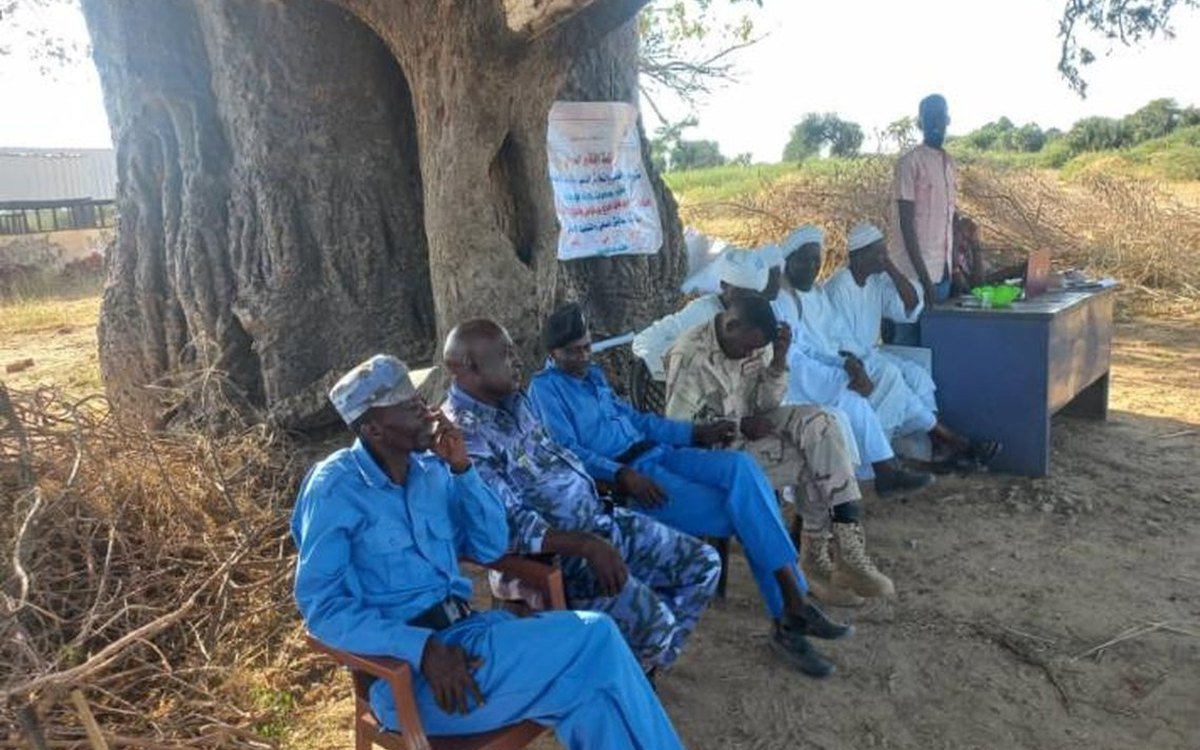
This page is a working example. Everything on it (the headline, the photograph, the paragraphs below) is placeholder content you can overwrite with a real story from the field.
Start with what happened
Open with the facts: which locality, which activity, who took part and what it was for. Readers and partners look for those four things first, so keep them in the first two sentences.
Then give the context in a short paragraph. What need did the community identify? Which committee or native administration helped plan it? Which of the initiative's areas of work does it belong to?
Use sub-headings for longer stories
A sub-heading every three or four paragraphs keeps a long report readable on a phone, which is how most people will read it.
- Keep paragraphs short, three or four lines each.
- Name the locality, not only the state.
- Give numbers when you have them: participants, sessions, households.
- Ask permission before publishing photographs of participants.
A quotation from a participant or a community leader gives the story a voice that a report cannot.
Attribution: name and role
Close with what comes next
End with the follow-up: what the committee agreed, when the next session is, or how a partner can support the work. Then delete this sample file, or replace its content with your first real story.