Our vision
Safe and cohesive Sudanese communities governed by peace and coexistence, led by their youth in efforts for development and peacebuilding.
Youth-led · South Darfur, Sudan · Founded 2021
The Sudanese Nafeer Initiative for Peace and Development is a youth, community-based, voluntary initiative working in South Darfur State, addressing the root causes of conflict, strengthening social cohesion and supporting communities to recover and develop.
34
Community initiatives implemented
34
Community initiatives implemented
93
Volunteers, male and female
13
Localities in South Darfur
2021
Founded by young volunteers
Who we are
SNIPD was founded in 2021 in response to the social and humanitarian challenges and recurring conflicts affecting local communities in South Darfur State. It was launched from the belief that young men and women are a key element in leading positive change, promoting peace and building social cohesion through volunteer work and community participation.
The initiative established a network of volunteers and community committees in conflict-affected areas, and developed its institutional structure through a central coordination office registered in Kampala, Republic of Uganda, alongside field teams working on planning, implementation, monitoring and coordination with partners.
Safe and cohesive Sudanese communities governed by peace and coexistence, led by their youth in efforts for development and peacebuilding.
To contribute to addressing the root causes of conflicts and to promote peace and social cohesion by empowering local communities, supporting youth, building the capacity of conflict resolution mechanisms, and developing effective partnerships to achieve sustainable development.
Work philosophy
The initiative believes that achieving sustainable peace requires addressing the root causes of conflict, not just dealing with its effects. It identifies three main factors of conflict.
When livelihoods are fragile, competition over land, water and pasture turns quickly into conflict.
Without a shared culture of dialogue, disputes escalate before they can be talked through.
Where traditional mechanisms are weakened, communities lose the tools they relied on to settle disputes.
Key areas of work
Each area answers something communities themselves identified as a driver of conflict or a condition for recovery.
Bringing divided communities back into contact through joint activities that rebuild trust between neighbouring groups.
Convening dialogue sessions and supporting mediation led by community and native administration leaders.
Backing income opportunities and small-scale development that reduce competition over scarce resources.
Creating space for young men, young women and community women to lead peace and development work.
Strengthening the local mechanisms that communities already trust to settle disputes.
Awareness activities that spread a culture of peace, coexistence and non-violence.
Responding alongside communities when crisis hits, and supporting the first steps of recovery.
Achievements
Volunteer-led work, counted honestly and reported to the communities it belongs to.
34
Community initiatives implemented
93
Volunteers, male and female
13
Localities in South Darfur
2021
Founded by young volunteers
Areas of implementation
The initiative has implemented its interventions in a number of localities in South Darfur State, with plans to expand to other conflict-affected areas.
From the field
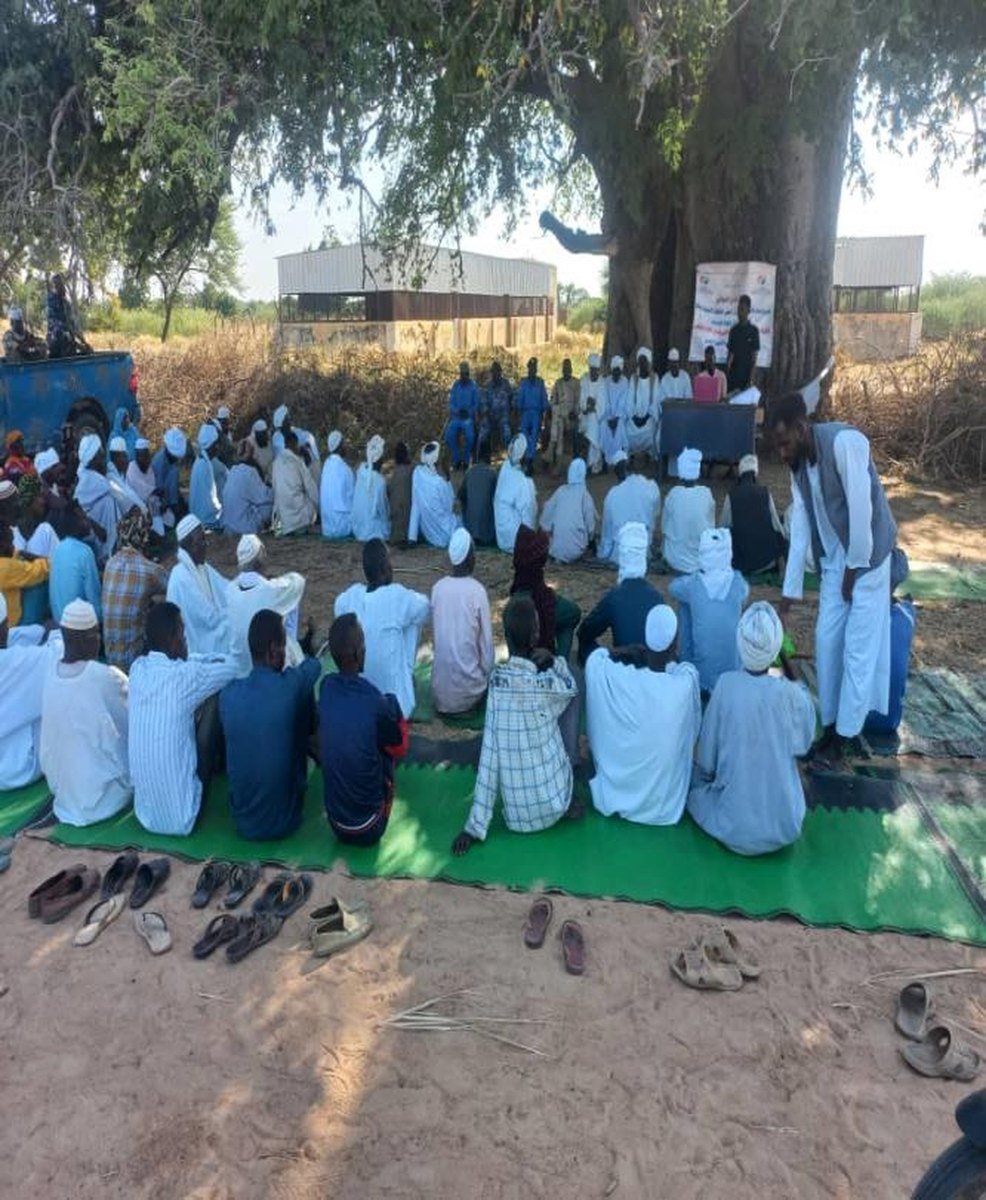
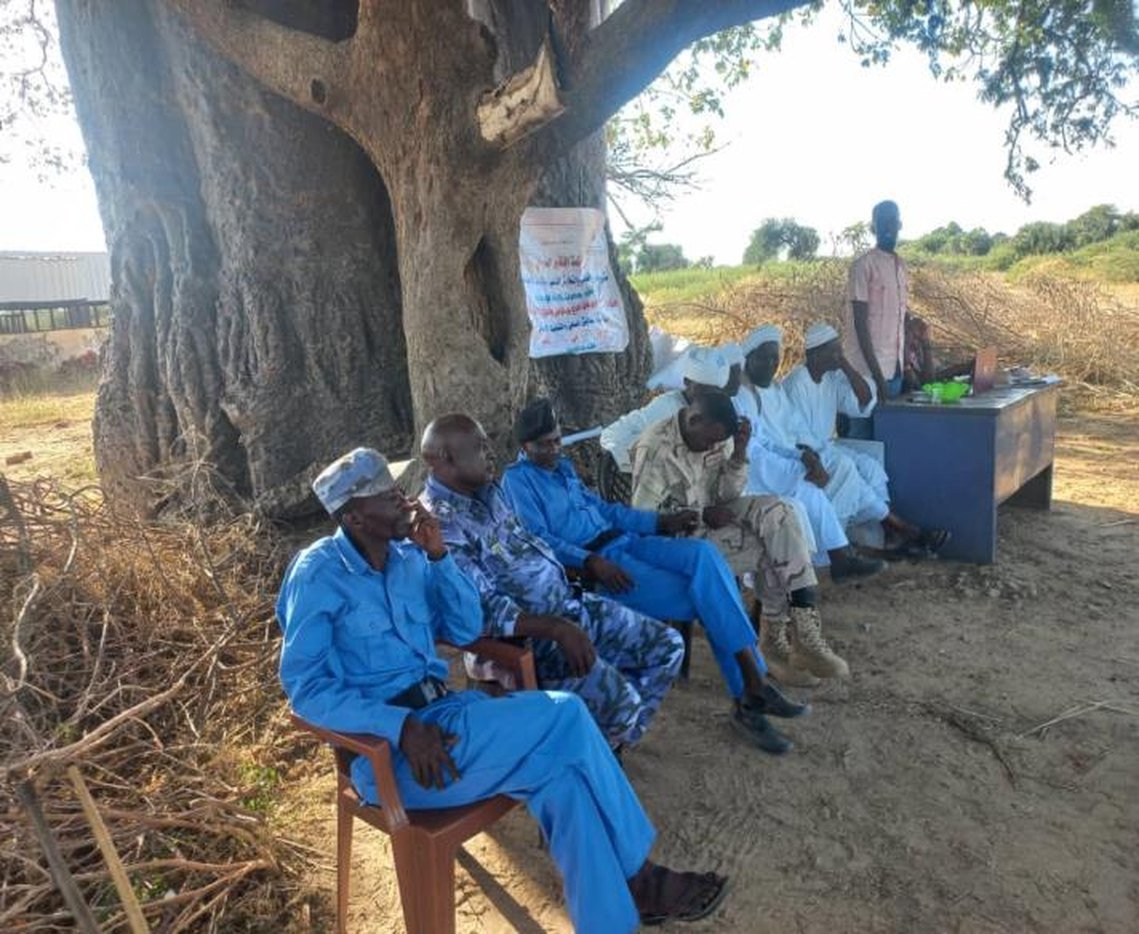
Photographs from dialogue sessions, community gatherings and volunteer activities.
Partnerships
Coordination is how a volunteer initiative reaches scale without losing its roots.
News
Short reports on activities as they are implemented by volunteers and community committees.
Work with us
We work with native administrations, community and religious leaders, local authorities, national and international organizations, and fellow youth initiatives. If your work touches peace, protection, livelihoods or early recovery in South Darfur, we would like to hear from you.
